01
Accessibility & universal design
Process-data and universal-design approaches that make large-scale assessments more equitable for students with disabilities and other historically underserved learners.
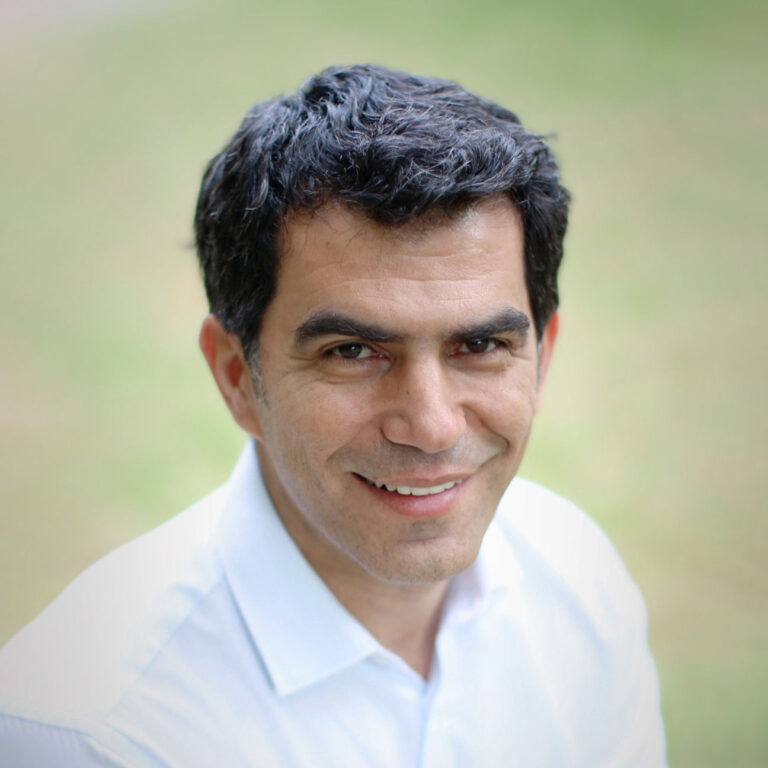
Sixteen+ years using large-scale assessment data and modern computational methods to surface what works in education — and for which students.
Using NAEP process data to disentangle universal-design features from targeted accommodations — which interventions actually help, and for which students.
Read the publication →Five projects — new papers, IES-funded grants, and the work behind them. Hover to pause; click the dots or arrows to navigate.
Process-data and universal-design approaches that make large-scale assessments more equitable for students with disabilities and other historically underserved learners.
How high school course-taking sequences (and the way we measure them) shape college enrollment, STEM persistence, and labor-market outcomes.
Applying data mining, NLP, and machine learning to NAEP, ECLS, and other large-scale datasets — with care for bias, accessibility, and what the methods can tell us about real students.
Better measurement is how we find out what's actually working — and for which students. Everything else follows from that. On the work
Interested in partnering on a research project, commissioning a measurement study, or inviting a talk on AI and equity in education?
Get in touch